


-

Add: HeBei ShengShi HongBang Cellulose Technology CO.,LTD.
-

Email
13180486930@163.com -

CONTACT US
+86 13180486930



Hydroxypropyl methylcellulose (HPMC) is widely recognized as a versatile compound that finds its application across various industries. Preparing HPMC solutions is paramount for ensuring its effective performance, whether in pharmaceuticals, food processing, or construction. This article sheds light on the expertise required, authoritative guidelines, and trustworthy methodologies associated with HPMC solution preparation. Experience in HPMC solution preparation reveals that the process is both an art and a science, demanding precision and knowledge. Users often face challenges such as insolubility, clumping, or achieving the desired viscosity. These challenges can be mitigated by following specific preparation steps . Here, I will share a streamlined process derived from years of hands-on experience 1. Selection of Grade The choice of HPMC grade significantly influences the end properties of the solution. Different grades offer varying viscosities and gel temperatures, making it crucial to consult technical specification sheets provided by manufacturers to select the right grade for your application needs. 2. Water Quality The quality of solvent, usually water, plays a critical role. Using deionized or distilled water enhances solubility and prevents any potential reactions from contaminants. Experience confirms that temperature-controlled environments boost the solubility rate and uniformity of HPMC throughout the solution. 3. Dispersion Technique Accurate dispersion ensures the complete hydration of HPMC without forming clumps. Begin by sprinkling HPMC slowly into the solvent while stirring continuously. An authoritative tip involves using mechanical stirrers to maintain a consistent dispersal, achieving a lump-free solution efficiently. 4. Temperature Control The temperature of the solvent should be monitored closely. HPMC tends to dissolve better in cold water. By initially employing cold water to disperse the HPMC and later heating it up if the application demands a higher temperature, one can secure optimal results. hpmc solution preparation 5. Hydration Time Time is a crucial factor in preparing an HPMC solution. Allow the solution to hydrate fully, which might take several hours depending on the grade and environmental conditions. Patience is key as incomplete hydration could result in suboptimal solution properties. 6. pH Adjustment For applications requiring specific pH levels, adjust the pH of the solution after full hydration. Different grades of HPMC might react differently to pH adjustments, so it's advisable to conduct small-scale tests before full-scale operations. From a professional standpoint, the expertise of troubleshooting common issues cannot be overstated. In some cases, adding a non-ionic surfactant can assist in reducing surface tension and improving solubility. Furthermore, employing an industrial homogenizer can yield a finer, more consistent HPMC solution in high-demand applications. To establish authority in the preparation of HPMC solutions, it’s paramount to adhere to standardized practices as endorsed by industry leaders. Following guidelines from entities like the United States Pharmacopeia (USP) can ensure compliance and efficacy in pharmaceutical applications. Maintaining a record of every batch's preparation details ensures traceability and identifies areas for future optimization. Trustworthiness is built through consistency and transparency. Regularly testing and documenting the rheological properties of prepared solutions guarantees batch-to-batch uniformity. For enhanced credibility, consider third-party verification from accredited laboratories to validate the effectiveness and safety of the final solution. In conclusion, HPMC solution preparation demands a blend of practical experience, specialized knowledge, and adherence to authoritative protocols. By following these best practices, one can ensure the creation of high-quality HPMC solutions suitable for a variety of applications, ultimately fostering trust and reliability in the end product.
- 40000tons

Production
- 20+years

Experience
- 5000+㎡

Acreage

-
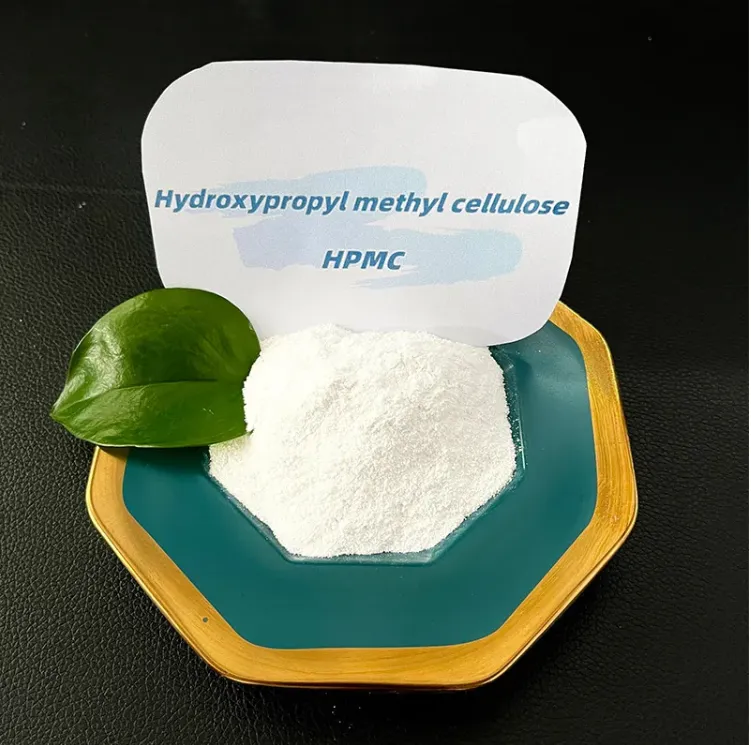
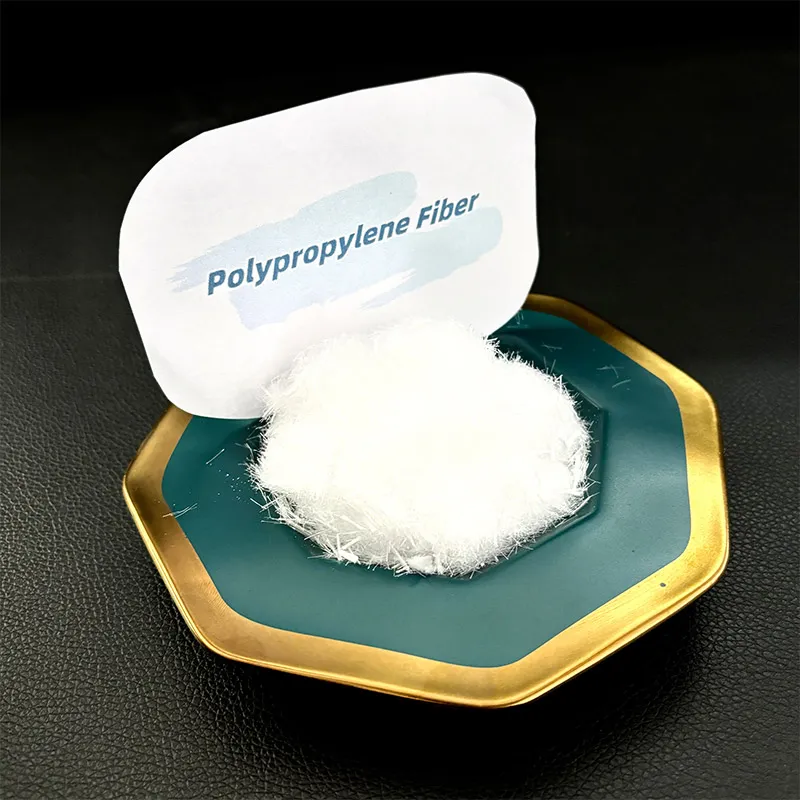
The Growing Importance of PP Fiber Concrete in Modern Construction In the ever-evolving landscape of construction materials, polypropylene (PP) fiber concrete has emerged as a noteworthy innovation that enhances the performance of traditional concrete. This article explores the significance of PP fiber concrete, its properties, applications, and the benefits it brings to modern construction. Understanding PP Fiber Concrete PP fiber concrete is a composite material that incorporates polypropylene fibers into traditional concrete mix. These fibers, typically ranging from 0.5 to 1.5 inches in length, are designed to improve the structural integrity of the concrete. They act as reinforcement, providing a secondary layer of strength that helps to mitigate various forms of damage that can occur during curing and throughout the life of the structure. Key Properties of PP Fiber Concrete One of the most notable properties of PP fiber concrete is its ability to reduce plastic shrinkage cracking. During the curing process, traditional concrete is susceptible to environmental factors such as temperature fluctuations and evaporation of moisture, which can lead to stress and cracks. The integration of polypropylene fibers helps to control these cracks by providing a linking mechanism, which allows stress to be distributed more evenly throughout the concrete. In addition to crack resistance, PP fiber concrete also offers enhanced toughness and impact resistance. The fibers absorb and dissipate energy when forces are applied, making it suitable for applications where durability is paramount. Moreover, the use of PP fibers improves the concrete's resistance to freeze-thaw cycles, making it an ideal choice for structures exposed to varying climatic conditions. Applications of PP Fiber Concrete The versatility of PP fiber concrete lends itself to a wide range of applications across various sectors of the construction industry. It is commonly used in - Industrial Flooring Due to its high durability and resistance to impact, PP fiber concrete is often utilized for industrial flooring where heavy machinery operates. The fibers help to maintain the structural integrity even under heavy loads. pp fiber kongkreto - Pavements and Roads The use of PP fiber in pavement designs has shown to improve the longevity of roads and pavements. It helps reduce wear and tear caused by traffic, leading to lower maintenance costs over time. - Precast Elements In the production of precast concrete components such as walls, beams, and slabs, incorporating PP fibers can enhance performance and reduce the risk of cracking during casting and transportation. - Water Retaining Structures PP fiber concrete is also beneficial in the construction of water tanks and reservoirs, as it minimizes the risk of leakage that can arise from cracking. Benefits of Using PP Fiber Concrete The adoption of PP fiber concrete presents multiple advantages beyond enhanced performance. Firstly, it can lead to significant cost savings over the life cycle of a structure. By reducing the incidence of cracking and the need for repairs, construction companies can optimize their budgets and allocate resources more efficiently. Secondly, the use of PP fibers can contribute to more sustainable construction practices. A lower incidence of repair and maintenance means that materials are conserved, and waste is minimized, aligning with environmentally friendly building standards. Lastly, the integration of PP fibers into concrete mixes is straightforward and does not require specialized equipment. This ease of incorporation allows for its adoption in various construction scenarios without significant changes to existing processes. Conclusion As the construction industry continues to face challenges related to durability, sustainability, and cost efficiency, the emergence of materials like PP fiber concrete represents a significant advancement. Its ability to enhance concrete's performance while providing practical solutions for modern construction needs positions it as a valuable asset in the quest for more resilient infrastructure. With the ongoing research and development in this field, PP fiber concrete is set to play a crucial role in shaping the future of construction.
-
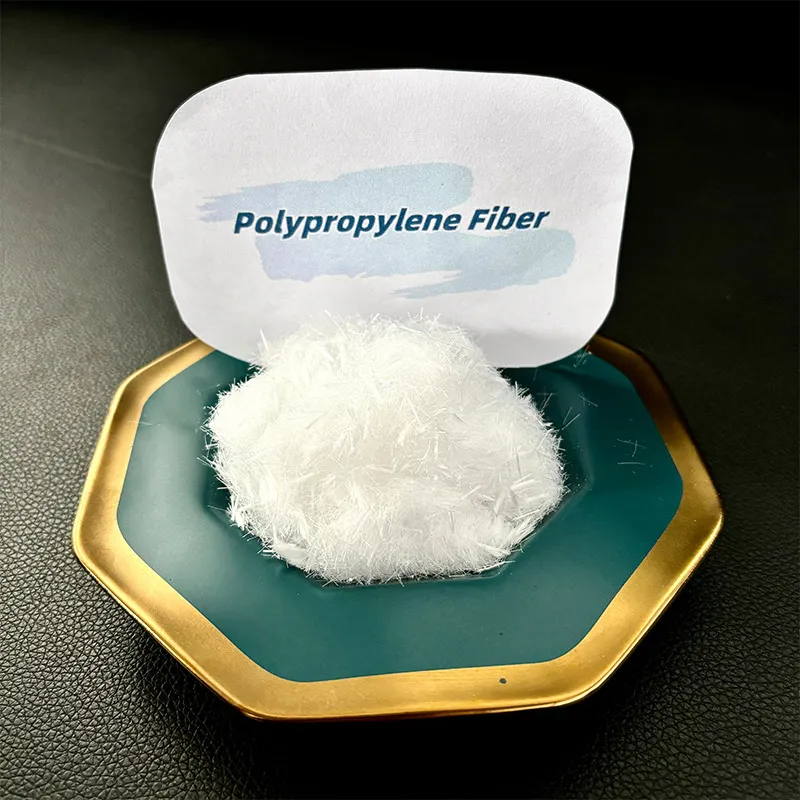
The construction industry constantly evolves to meet demands for better performance, enhanced efficiency, and environmental responsibility. Hydroxypropyl methylcellulose , a leading additive in building materials, not only improves workability and durability but also addresses growing concerns about sustainability. Its role in construction goes beyond improving materials—it sets new standards for quality and innovation. In this article, we’ll examine the sustainability questions surrounding hydroxypropyl methylcellulose , explore its compatibility in formulas, and uncover how it enhances the workability of construction materials like wall putty. Sustainability in the Production and Use of Hydroxypropyl Methylcellulose As global sustainability efforts gain momentum, materials like hydroxypropyl methylcellulose are scrutinized for their environmental impact. Fortunately, hydroxypropyl methylcellulose proves to be an eco-conscious choice in both production and application. Manufactured using cellulose derived from plant fibers, it utilizes renewable raw materials, making it a sustainable option compared to synthetic additives. The production process has also improved significantly over the years, reducing energy consumption and waste. Manufacturers have implemented innovations that lower the carbon footprint associated with hydroxypropyl methylcellulose production. When incorporated into construction materials like wall putty and mortars, hydroxypropyl methylcellulose enhances efficiency by requiring less water while improving adhesion and durability. These properties help reduce material waste during application, aligning with sustainability goals in construction projects. For builders and developers striving for green certifications, sourcing from a trusted hydroxypropylmethylcellulose supplier ensures that the product meets high environmental standards without compromising performance. Compatibility Considerations When Adding Hydroxypropyl Methylcellulose to Formulas The integration of hydroxypropyl methylcellulose into construction material formulas requires careful attention to ensure optimal performance. While it is highly versatile and compatible with a range of ingredients, specific considerations are crucial during formulation. First, pH levels in the mixture play a significant role. Hydroxypropyl methylcellulose performs best in a neutral to slightly alkaline pH environment, ensuring its water-retention and thickening properties are fully utilized. Adding it to highly acidic or basic formulations without adjusting pH levels can reduce its effectiveness. Second, the sequence of addition is critical. When combined with other components like cement or gypsum, hydroxypropyl methylcellulose should be thoroughly mixed with water beforehand. This prevents clumping and ensures even dispersion, leading to consistent performance throughout the material. Builders planning to buy hydroxypropyl methylcellulose should consult product specifications to avoid compatibility issues and achieve optimal results. A reputable supplier will also provide guidance on proper formulation techniques tailored to specific applications. How Hydroxypropyl Methylcellulose Enhances Workability and Operability One of the most celebrated benefits of hydroxypropyl methylcellulose is its ability to improve the workability and operability of construction materials. This additive’s water-retention properties keep mixtures moist for longer periods, providing ample time for application and adjustments. For materials like wall putty, hydroxypropyl methylcellulose ensures a smooth texture and easy application, reducing labor efforts and minimizing the risk of inconsistencies. Its thickening capabilities improve cohesiveness, preventing material sagging or slumping during use. Additionally, hydroxypropyl methylcellulose in wall putty significantly enhances bonding strength, ensuring that applied surfaces remain durable and resistant to cracks over time. Builders can trust that materials containing this additive offer the reliability needed to withstand diverse construction environments. Partner with the Right Hydroxypropylmethylcellulose Supplier for Quality and Expertise To fully unlock the potential of hydroxypropyl methylcellulose , partnering with an experienced hydroxypropylmethylcellulose supplier is essential. We pride ourselves on offering high-quality products that meet the demands of modern construction projects. By sourcing our premium-grade hydroxypropyl methylcellulose , you ensure superior performance, sustainability, and reliability. Our technical team provides expert support, offering tailored advice to maximize the additive's effectiveness in various formulations. Whether you’re producing advanced coatings or formulating durable wall putty, we’re here to help you achieve exceptional results. Builders and manufacturers looking to innovate and lead in the construction industry should buy hydroxypropyl methylcellulose from trusted suppliers like us. Our commitment to quality and customer satisfaction guarantees that every batch meets stringent industry standards. Hydroxypropyl Methylcellulose: A Key to Future-Ready Construction The versatility, efficiency, and sustainability of hydroxypropyl methylcellulose make it an indispensable tool for modern construction projects. Addressing the challenges of compatibility, workability, and environmental impact, it empowers builders and manufacturers to meet the highest standards of quality and performance. Choose hydroxypropyl methylcellulose to elevate your construction projects and contribute to a sustainable future. With expert support from a trusted hydroxypropylmethylcellulose supplier , you gain access to the finest materials and solutions for long-term success. Embrace the innovation and reliability of this remarkable additive, and watch your projects reach new heights of excellence.
advantages
-

200000 Viscosities
Excellent product
We can produce pure products up to 200,000 viscosities
-

40000 tons
High yield
We don’t stop production all year round, and the annual output can reach 40,000 tons
-

24 hours
Quality service
We provide 24-hours online reception service, welcome to consult at any time
———— Inquiry Form
Schedule A services
-
 reinforcement_fiber_for_concrete
Oct . 25, 2025
In the complex world of construction and building materials, innovative products regularly establish -
 hpmc_2
Oct . 25, 2025
In today’s industrial and personal care sectors, raw materials must deliver more than just functiona -
 synthetic_jute
Oct . 25, 2025
Hydroxypropyl Methylcellulose (HPMC) is gaining significant attention in the vegan and plant-based p


